

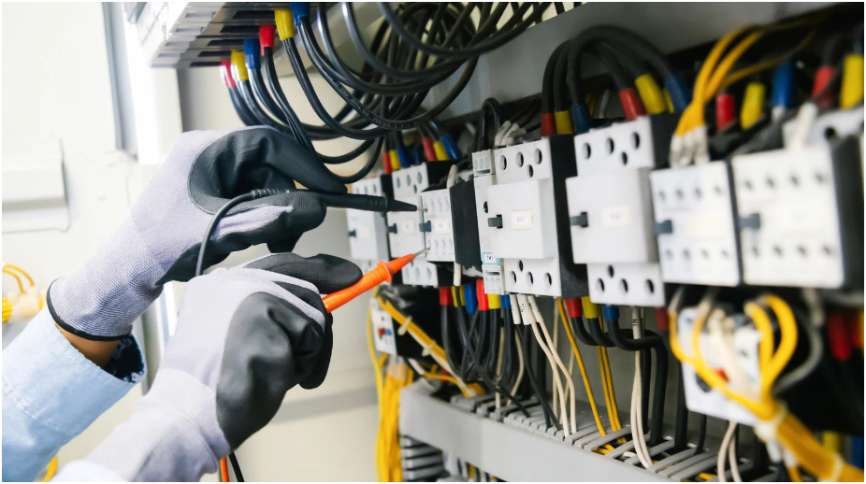
As the demand for technology escalates in our cities and homes, the need for robust infrastructure is undeniable. One critical element to modern infrastructure is effective cable management. Inadequate cable management can lead to potential hazards, system failures, and exorbitant maintenance costs.

This is where ACO pits come into play, offering an innovative solution to manage cables efficiently and safely, thereby optimizing the infrastructure of various constructions.
The Essentials of Effective Cable Management
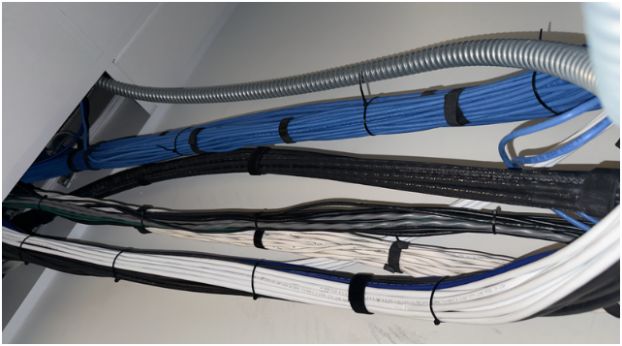
Effective cable management is pivotal in any infrastructure project. It ensures uninterrupted service, extends the life of cables, and prevents accidental damage.
Moreover, well-managed cables are easier to maintain, upgrade, and diagnose for issues, saving time and resources in the long term.
Good management systems also address safety standards, mitigating the risk of electrical fires or tripping hazards which can result from disorganized cabling.
Understanding ACO Pits and Their Role in Cable Management

ACO pits are part of a system that encapsulates this ethos of cable management effectiveness. These pits, often made from durable polyethylene, are designed to be placed within the infrastructure to house and protect electrical and communication cables.
They are an integral component of the cable management framework, providing easy access for cable installation and maintenance, while also keeping the cables secure from environmental factors and unauthorised access.
Assessing the Advantages of ACO Pits
ACO pits provide numerous benefits over traditional cable management options. They are typically lightweight, thus easy to transport and install, yet remarkably sturdy and resistant to chemical and physical stresses. Their modular design enables flexibility, permitting configuration for a vast range of applications.
Adaptable to various environments, from pedestrian footpaths to bustling commercial precincts, these pits are ideal for many settings.
Environmental adaptability is another significant advantage of ACO pits. The durable nature of the material used in their construction means they can withstand extreme temperatures and weather conditions. This is particularly important in outdoor applications, where exposure to elements can lead to deterioration of other materials.
Customisation and Integration
One of the appealing aspects of ACO pits is their potential for customisation. Different projects will have distinct needs in terms of the size, shape, and capacity of the pits. ACO’s product range provides a variety of dimensions and accessories, making it possible to tailor cable management solutions to specific requirements.
Moreover, integration with existing infrastructure is seamless. The design of ACO pits allows for a straightforward incorporation into new builds or retrofitted into existing structures. As cities upgrade their current systems or expand, being able to integrate new solutions without extensive overhauls is highly cost-effective and minimises disruptions.
Safety and Compliance

Safety is paramount in any construction or infrastructure project. ACO pits are designed with safety as a priority, featuring non-slip surfaces and secure lids. They adhere to stringent standards and regulations, ensuring that the pits contribute to the overall safety of the infrastructure.
Compliance with industry standards also means that adopters of ACO pits can have peace of mind that their cable management system is recognized and approved by relevant authorities, diminishing the likelihood of legal complications and ensuring a universally accepted standard of safety and quality.
Cost-Effectiveness and Longevity
While the immediate benefits of ACO pits are clear, it is their long-term cost-effectiveness that makes them particularly attractive. The materials used are not only weather-resistant but also provide longevity, greatly reducing the need for replacements or repairs. This durability translates into savings over time, as the total cost of ownership is reduced.
Furthermore, ACO pits aid in preventing costly outages and service interruptions by protecting critical infrastructure. The smooth access to cables allows for preventative maintenance, which is much cheaper than emergency repairs or full system replacements provoked by unforeseen failures.
Implementing ACO Pits in Modern Projects
Modern construction and infrastructure projects require modern solutions, and ACO pits are perfectly aligned with this need. From telecommunications to electrical grids, these cable management systems can be integrated into a wide array of projects to enhance functionality and reliability.
Urban planners, architects, and engineers are looking towards innovations like ACO pits to meet the evolving demands of urban development for securing the businesses in Queensland. Not only do they streamline project execution by simplifying the cable management aspect, but they also provide a future-proofing element, accommodating technological advancements and expansions.
The Environmental Aspect
ACO pits also align with the environmentally conscious movement. By utilizing materials such as polyethylene, which can be produced with less environmental impact than some traditional materials, these pits aid in reducing the carbon footprint of construction projects. Additionally, their long life and potential for recycling contribute to a more sustainable approach to building and maintaining our infrastructure.
Conclusion: Prioritising Cable Management with ACO Pits
To conclude, ACO pits represent a significant advancement in cable management techniques. By embracing these innovative solutions, project managers and engineers can ensure that their infrastructure is not only built to last but is also safe, compliant, and prepared for the technological advancements of the future.
In a world that is increasingly dependent on reliable connectivity and electricity, having a robust system to manage these lifelines is not optional—it is essential. As the world moves forward, it will be developments like ACO pits that will pave the way towards more efficient, safer, and cost-effective infrastructure for generations to come.